
Selling WW2 Memorabilia: How to Identify, Value, and Sell Your Collection
Selling WW2 Memorabilia: A Complete Guide for Collectors and Families
Selling WW2 memorabilia is becoming increasingly common as collections are rediscovered in lofts, storage units, and family estates. With demand for authentic World War II items continuing to grow, knowing how to sell your memorabilia correctly can make a significant difference in both value and buyer trust.
Whether you’re a lifelong collector or have recently inherited wartime items, understanding the market is essential.
What Counts as WW2 Memorabilia?
World War II memorabilia covers a wide range of items, including:
- Steel helmets (British Mk II, German Stahlhelm, U.S. M1)
- Medals and decorations
- Bayonets and edged weapons
- Uniforms and insignia
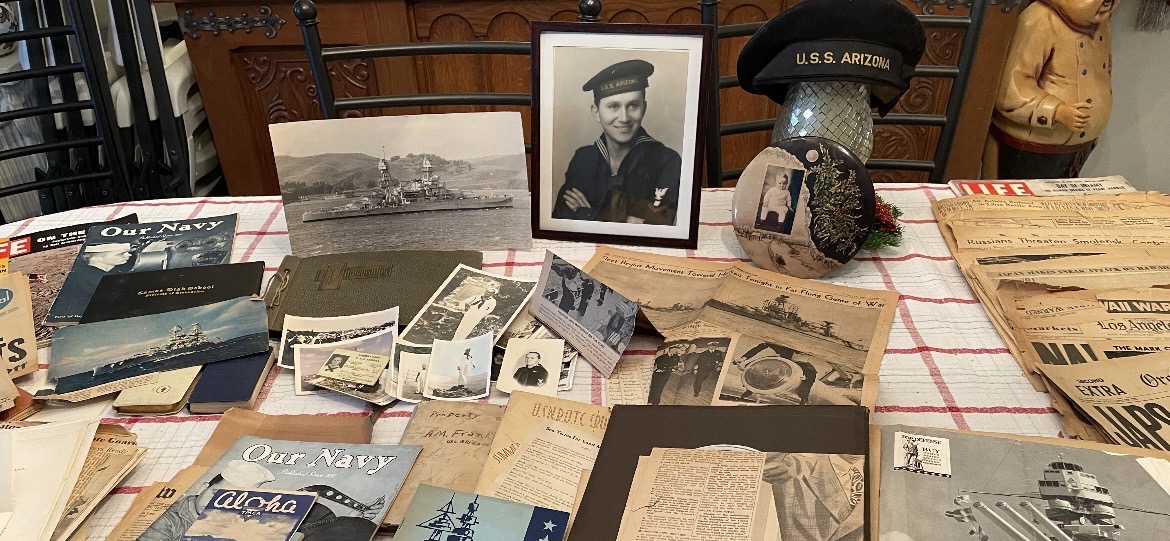
- Wartime documents, letters, and photographs
Even small or worn items can be valuable when original and complete.
How to Identify Authentic WW2 Items
Before selling WW2 memorabilia, authenticity is critical. Original items usually show:
- Period-correct materials and construction
- Manufacturer stamps or date markings
- Natural ageing rather than artificial wear
Avoid cleaning or restoring items, as this can significantly reduce value. Original condition is always preferred by collectors.
How Much Is WW2 Memorabilia Worth?
The value of World War II memorabilia depends on several factors:
- Rarity
- Condition
- Provenance or history
- Demand for the specific item
For example, named medals or documented battlefield items often command higher prices than unissued pieces.
Best Ways to Sell WW2 Memorabilia
There are several reliable ways of selling WW2 memorabilia:
- Specialist militaria dealers
- Auction houses
- Online militaria platforms
- Private collectors
Specialist dealers often provide faster sales, while auctions may achieve higher prices for rare items.
Legal and Ethical Considerations
When selling WW2 memorabilia, always be aware of local laws regarding weapons, insignia, and export restrictions. Ethical selling also means accurately describing items and avoiding misleading claims.
Transparency builds trust — and trust sells.
Why WW2 Memorabilia Remains in High Demand
Interest in World War II history remains strong due to its global impact and the passing of the wartime generation. Collectors value these items not just as objects, but as tangible links to real people and events.
Selling WW2 memorabilia responsibly helps preserve history for future generations.
Final Thoughts
If you’re considering selling WW2 memorabilia, taking the time to research, authenticate, and choose the right selling method can dramatically improve results. Whether it’s a single helmet or an entire collection, every item has a story — and buyers are looking for authenticity above all else.