
Selling Military Memorabilia: What You Need to Know
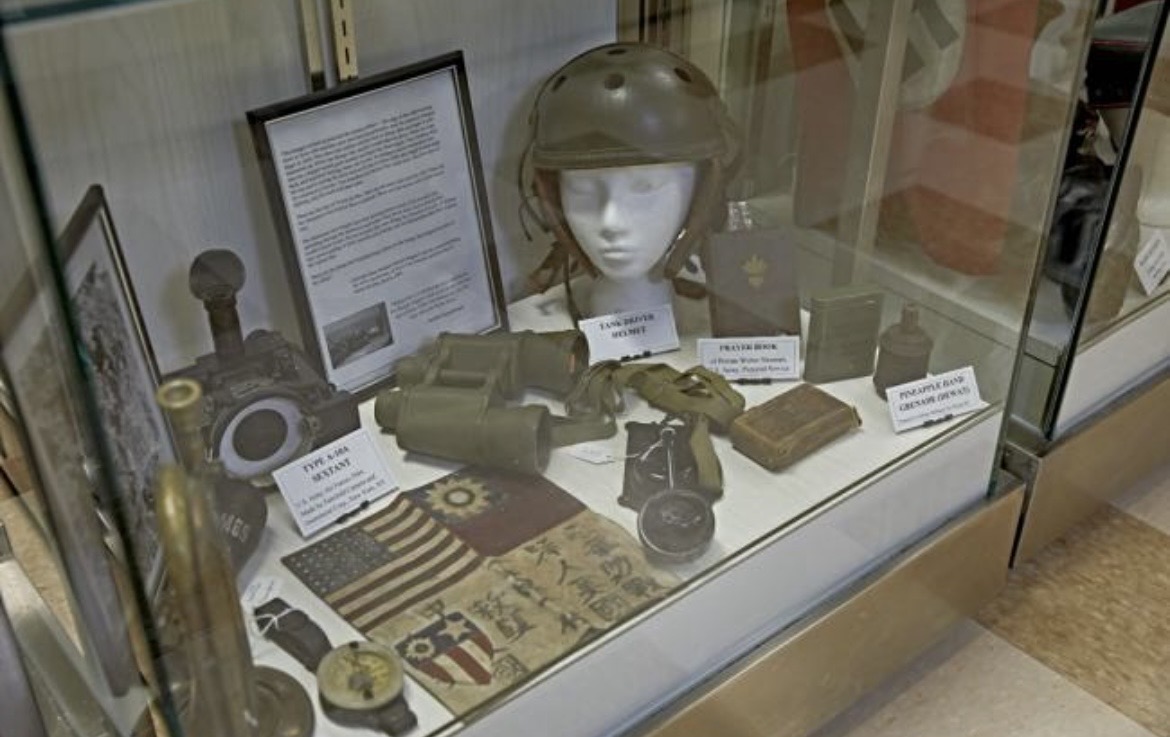
Selling military memorabilia is becoming increasingly common as families rediscover historic items stored in lofts, garages, and storage units. From First World War relics to Second World War helmets and medals, these artifacts carry both emotional significance and market value.
If you’re considering selling military memorabilia, understanding the process is essential to ensure authenticity, fair pricing, and a secure transaction.
What Counts as Military Memorabilia?
Military memorabilia can include a wide range of historic items, such as:
- Steel combat helmets
- Campaign medals and decorations
- Bayonets and edged weapons
- Uniforms and insignia
- Wartime letters and documents
- Field equipment and personal effects
Original condition and provenance play a major role in determining value.
How to Identify Authentic War Collectibles
Before selling military memorabilia, take time to verify authenticity. Key indicators include:
- Period-correct materials
- Manufacturer stamps and date markings
- Natural ageing and wear
- Original liners, straps, or fittings
Avoid cleaning or restoring items aggressively, as this can reduce collector value.
How Much Is Military Memorabilia Worth?
The value of military collectibles depends on:
- Rarity
- Condition
- Historical significance
- Named or documented provenance
- Current collector demand
For example, a named medal group with supporting documents may be worth significantly more than an unverified single medal.
Best Ways of Selling Military Memorabilia
When selling military memorabilia, you generally have three options:
- Specialist militaria dealers
- Auction houses
- Private collectors
Specialist dealers often provide quicker transactions and expert appraisals, while auctions may achieve higher results for rare pieces.
Legal and Ethical Considerations
Certain items, such as edged weapons or restricted insignia, may be subject to local laws. Always ensure compliance with regulations when selling military memorabilia, especially when shipping internationally.
Honest descriptions and transparency are essential to maintaining trust within the collecting community.
Why Demand for Military Memorabilia Remains Strong
Interest in military history continues to grow. As wartime generations pass, original artifacts become scarcer. Collectors value these items as tangible links to history, ensuring ongoing demand.
Selling military memorabilia responsibly ensures these pieces are preserved and appreciated for generations to come.