
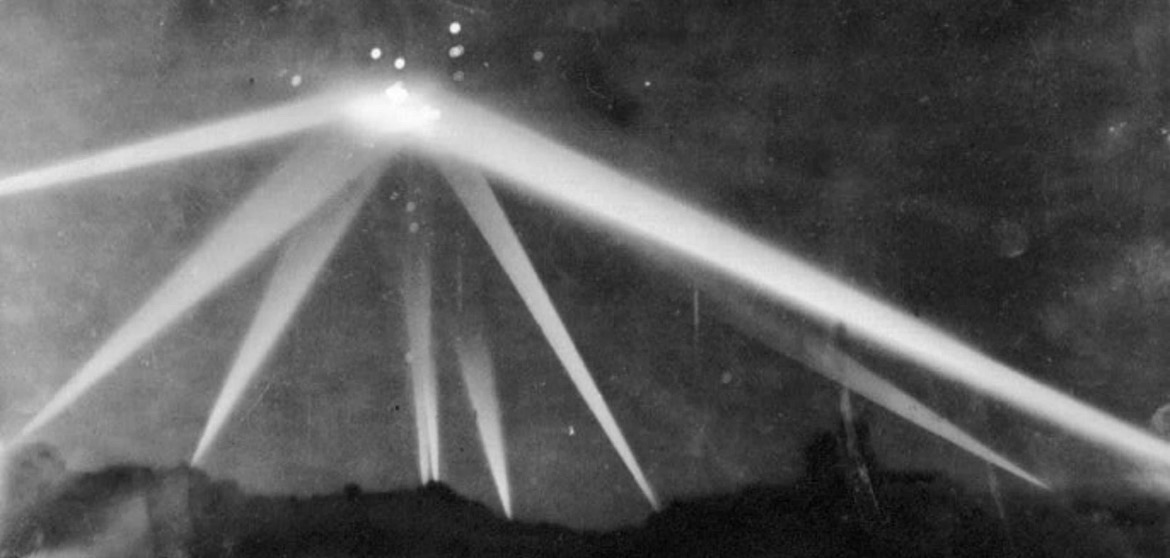
On This Day in WW2: The Battle of Los Angeles (24 February 1942)
On this day in WW2, 24 February 1942, residents of Los Angeles were jolted awake by air raid sirens, blackouts, and the thunder of anti-aircraft fire lighting up the night sky.
Just weeks after the attack on Pearl Harbor, fear of Japanese invasion gripped the American West Coast.
What Happened?
In the early hours of 24–25 February 1942, radar contacts and visual sightings of lights in the sky triggered a full blackout across Los Angeles.
Over 1,400 anti-aircraft shells were fired into the air.
However, no confirmed Japanese aircraft were found and no bombs were dropped.
The incident quickly became known as the “Battle of Los Angeles.”
Panic on the Home Front
Following Pearl Harbor in December 1941, invasion fears were widespread. Japanese submarine activity had already been recorded off the California coast.
When radar contacts appeared, military officials acted swiftly.
By dawn:
- Buildings were damaged by falling shell fragments
- Several civilians died from heart attacks linked to the panic
- No confirmed enemy aircraft were identified
The event remains controversial, with explanations ranging from weather balloons to stray flares.
Why This Day in WW2 Matters
Remembering on this day in WW2 highlights how fear and uncertainty shaped the American home front during the early months of the war.
The incident contributed to:
- Increased coastal defenses
- Heightened civilian blackout drills
- Further suspicion toward Japanese-American communities
It also reflects the psychological impact of Pearl Harbor on the United States.
The Wider Context
In early 1942, the United States was still reeling from its sudden entry into WW2. The Pacific seemed vulnerable, and invasion rumours spread quickly.
While historians now largely agree there was no actual attack, the Battle of Los Angeles illustrates how wartime anxiety can escalate rapidly.
Collecting Home Front Artefacts
Collectors sometimes encounter items connected to the American home front, including:
- Civil defense helmets
- Blackout equipment
- Wartime newspapers
- Anti-aircraft shell fragments
If you’re interested in wartime equipment, see our guide to WW2 helmets and their historical value.
If you’ve uncovered wartime items in storage, read our article on selling WW2 memorabilia found in storage.
Frequently Asked Questions
What happened on this day in WW2 on 24 February 1942?
Air raid sirens sounded in Los Angeles and anti-aircraft guns fired at unidentified objects in the sky.
Was Los Angeles actually attacked?
No confirmed Japanese aircraft were found, and no bombs were dropped.
Why is it called the Battle of Los Angeles?
The name reflects the scale of the anti-aircraft response despite no confirmed enemy attack.