On This Day in WWII: The Battle of Okinawa Intensifies (April 17, 1945)
On this day in WWII, April 17, 1945, the Battle of Okinawa entered a critical phase as U.S. forces pushed deeper into the island against fierce and determined Japanese resistance. This battle would become one of the bloodiest engagements of the Pacific War.
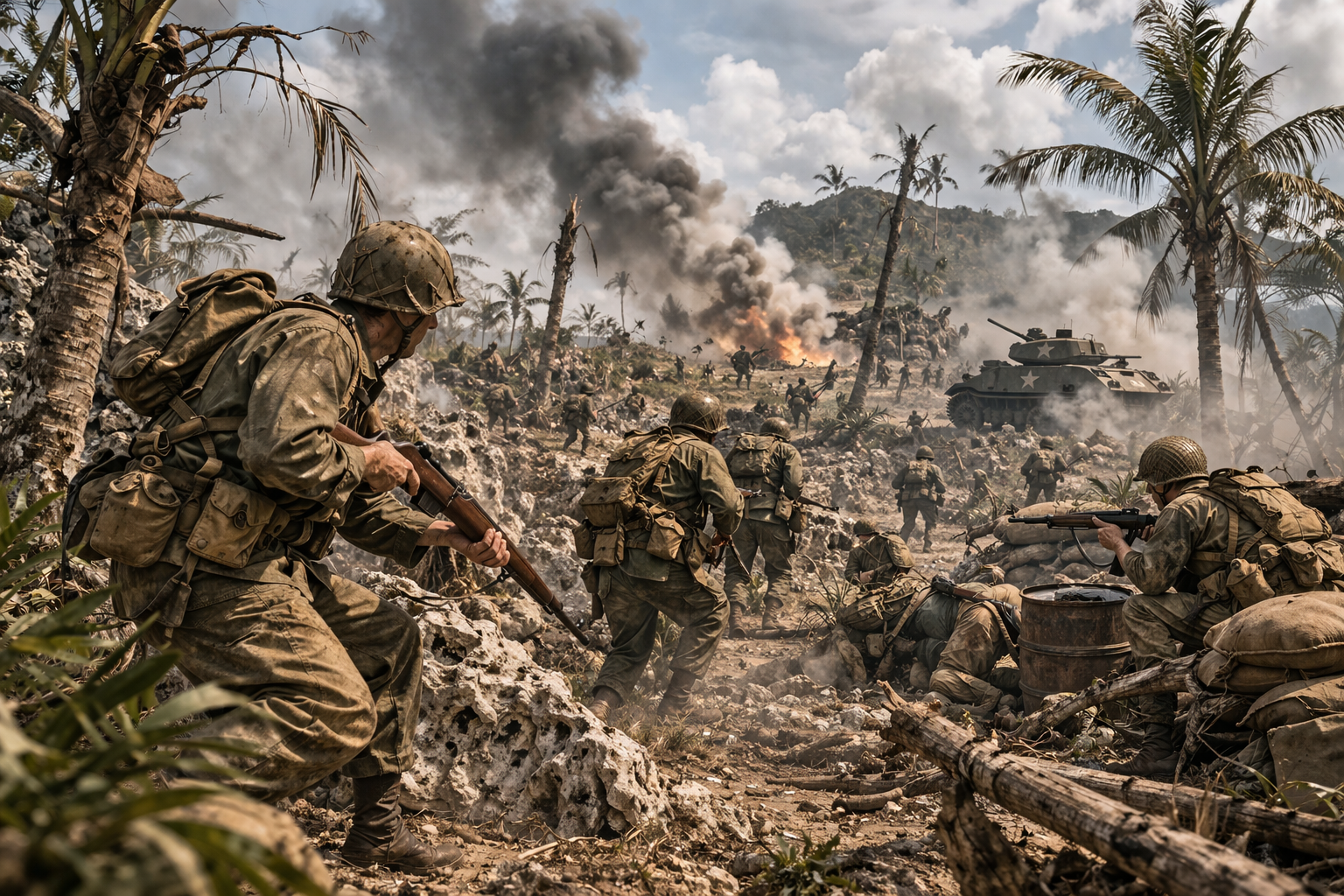
The campaign, which began earlier in April, quickly escalated into intense combat across difficult terrain, including ridges, caves, and heavily fortified defensive positions.
The Importance of Okinawa
Okinawa was strategically vital for the Allied forces. Its location made it a key staging ground for a potential invasion of mainland Japan.
Because of this, both sides committed significant resources to the battle. The Japanese forces were determined to defend the island at all costs, while Allied forces aimed to secure it as quickly as possible.
Fierce Fighting and Harsh Conditions
As the battle intensified, troops faced extremely challenging conditions.
For example:
- entrenched defensive positions
- constant artillery fire
- difficult terrain and weather
- close-quarters combat
Japanese forces relied heavily on defensive tactics, including tunnel systems and fortified positions, which slowed the Allied advance.
The Human Cost of the Battle
The Battle of Okinawa would ultimately result in massive casualties on both sides.
Thousands of soldiers lost their lives, and many more were wounded. Civilians on the island were also caught in the conflict, making the human cost even greater.
As a result, Okinawa became one of the most devastating battles of WWII.
Why This Day Matters in WWII History
April 17, 1945, marks a moment when the scale and intensity of the Pacific War became increasingly clear.
The battle demonstrated how difficult an invasion of mainland Japan could be, influencing future military decisions in the final months of the war.
Connecting History to Collecting
Events like the Battle of Okinawa are closely tied to the military artefacts collected today.
Items such as:
- combat helmets
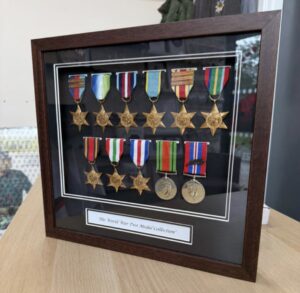
- medals and decorations
- field equipment
- wartime documents
often originate from campaigns like this, carrying real historical significance.
Preserving WWII History
Remembering events like this helps preserve the legacy of those who served.
Collectors and historians play an important role in keeping these stories alive by preserving artefacts and sharing their history with future generations.