
How to Sell Military Memorabilia: A Collector’s Guide to Maximising Value
How to Sell Military Memorabilia: A Collector’s Guide
Military memorabilia has become increasingly sought after by collectors, historians, and museums. From World War I helmets to World War II medals, authentic artefacts can carry significant historical and financial value.
If you’re looking to sell military memorabilia, it’s important to understand the best ways to authenticate, value, and market your items to the right audience.
Identify Exactly What You Have
The first step before selling anything is identifying the item correctly.
Important details to look for include:
- Unit markings or serial numbers
- Manufacturer stamps
- Original paint or finish
- Provenance or documents
- Named medals or engraved items
For example, a standard WWII helmet may sell for modest amounts, but one with original unit markings or combat paint can dramatically increase in value.
Taking clear photographs and researching the item’s history can help you present it accurately to buyers.
Check Authenticity Before Selling
Authenticity is everything in the military collectibles market. Reproductions exist for many items, particularly those from the Second World War.
Ways to confirm authenticity include:
- Comparing markings with known originals
- Checking construction methods and materials
- Consulting collector forums or reference books
- Asking experienced collectors or dealers
Collectors are often willing to pay premium prices for verified original pieces.
Understand What Affects Value
Several factors determine the value of military memorabilia.
Rarity
Items produced in small numbers or linked to specific units can be highly valuable.
Condition
Original paint, intact straps, and untouched items often sell for more.
Historical significance
Items connected to famous battles, units, or soldiers are particularly desirable.
Provenance
Documentation showing ownership or wartime use increases credibility and value.
Best Places to Sell Military Memorabilia
There are several ways to sell military collectibles depending on your goals.
Online marketplaces
Websites like auction platforms and collector marketplaces attract a large audience of buyers.
Specialist militaria dealers
Dealers can provide fast sales and expert valuations.
Collector shows and fairs
Militaria fairs are excellent places to meet serious collectors.
Private collector sales
Sometimes selling directly to collectors through forums or social groups results in higher prices.
Choosing the right platform depends on whether you want maximum price, speed, or convenience.
Tips for Getting the Best Price
If you want to maximise the return when you sell military memorabilia, keep these tips in mind:
- Take high-quality photos in natural light
- Provide accurate descriptions
- Show markings and stamps clearly
- Avoid over-cleaning or restoring items
- Research similar sales before listing
Collectors appreciate honesty and detailed listings.
Common Military Memorabilia That Sells Well
Some of the most sought-after military collectibles include:
- World War I and World War II helmets
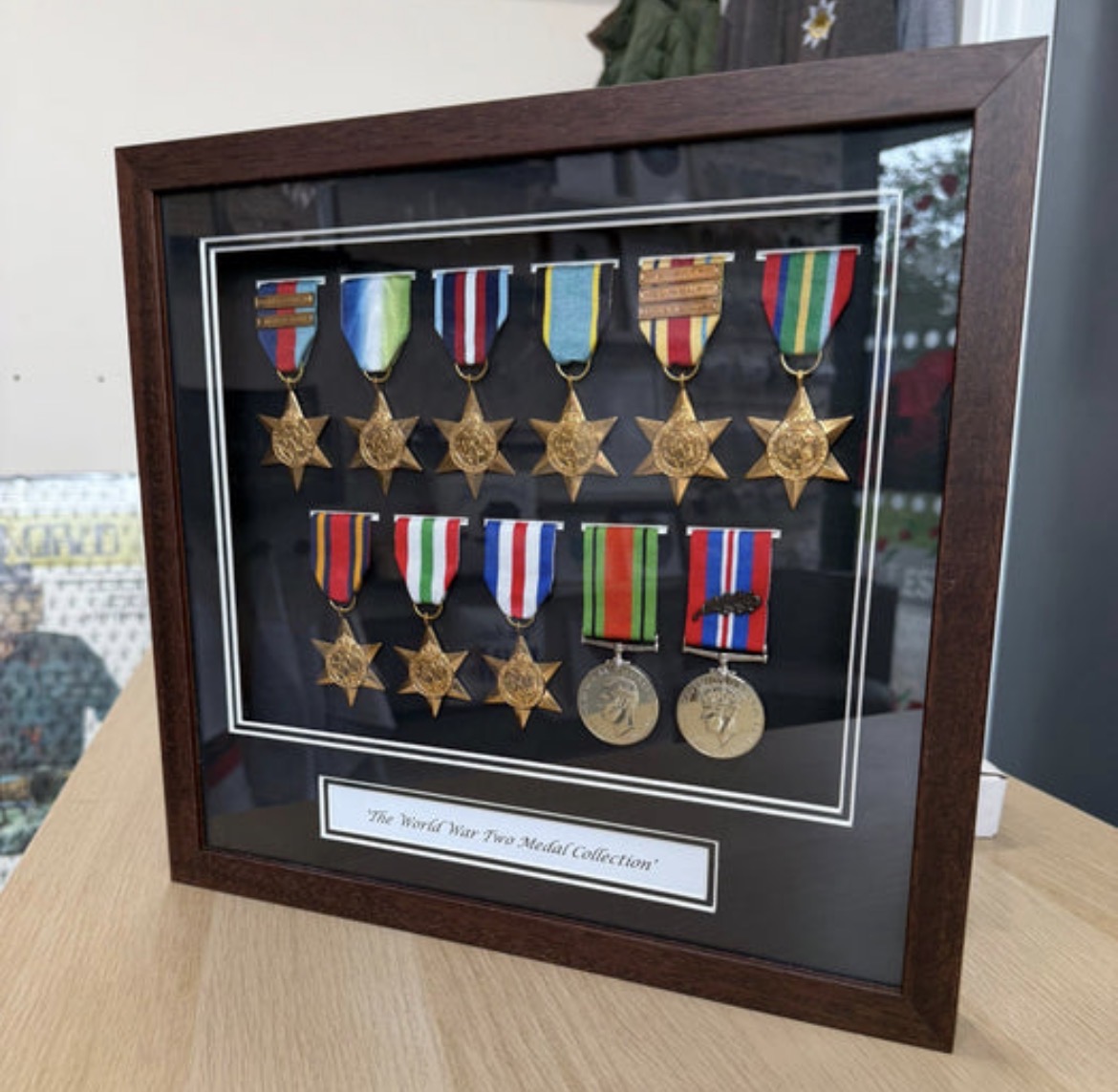
- Campaign and gallantry medals
- Uniforms and insignia
- Bayonets and edged weapons
- Wartime documents and photographs
Even small items like badges or insignia can attract strong interest from collectors.
Final Thoughts
Whether you’re a collector, historian, or someone who has discovered items in storage, understanding the market is essential if you want to sell military memorabilia successfully.
By identifying your items correctly, verifying authenticity, and presenting them well, you can ensure they find the right buyer while preserving an important piece of history.
Frequently Asked Questions
Where is the best place to sell military memorabilia?
Online auction platforms, specialist dealers, and militaria fairs are some of the most popular places.
Is military memorabilia valuable?
Many items from World War I and World War II are highly collectible, especially if they are rare or historically significant.
Should I clean military memorabilia before selling?
Generally no. Cleaning or restoration can reduce value, as collectors prefer original condition.