On This Day in WW2: Operation Barbarossa Begins (22 June 1941)
On This Day in WW2: The Invasion of the Soviet Union
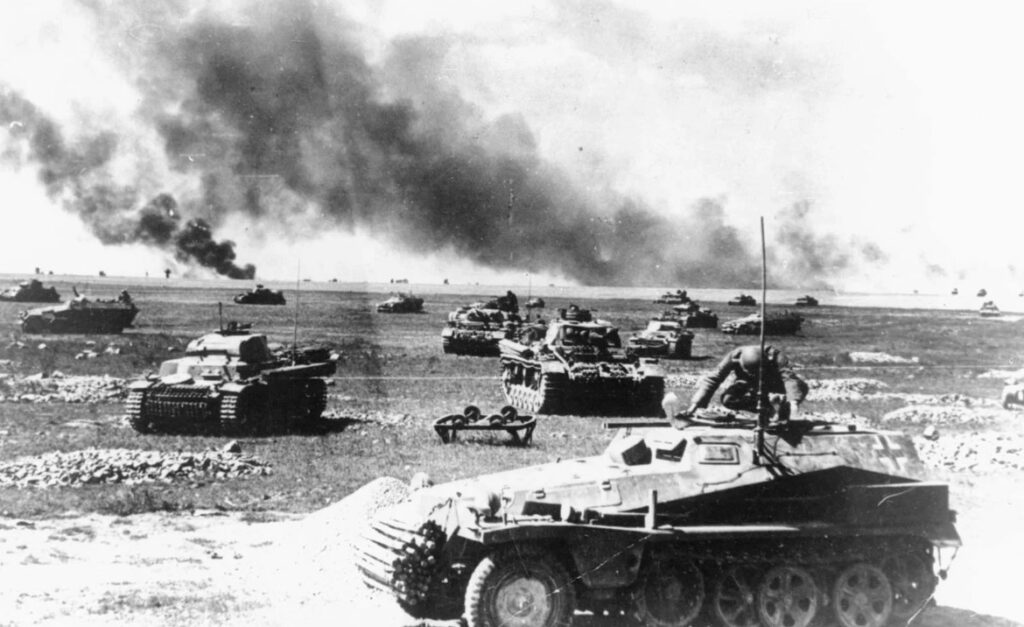
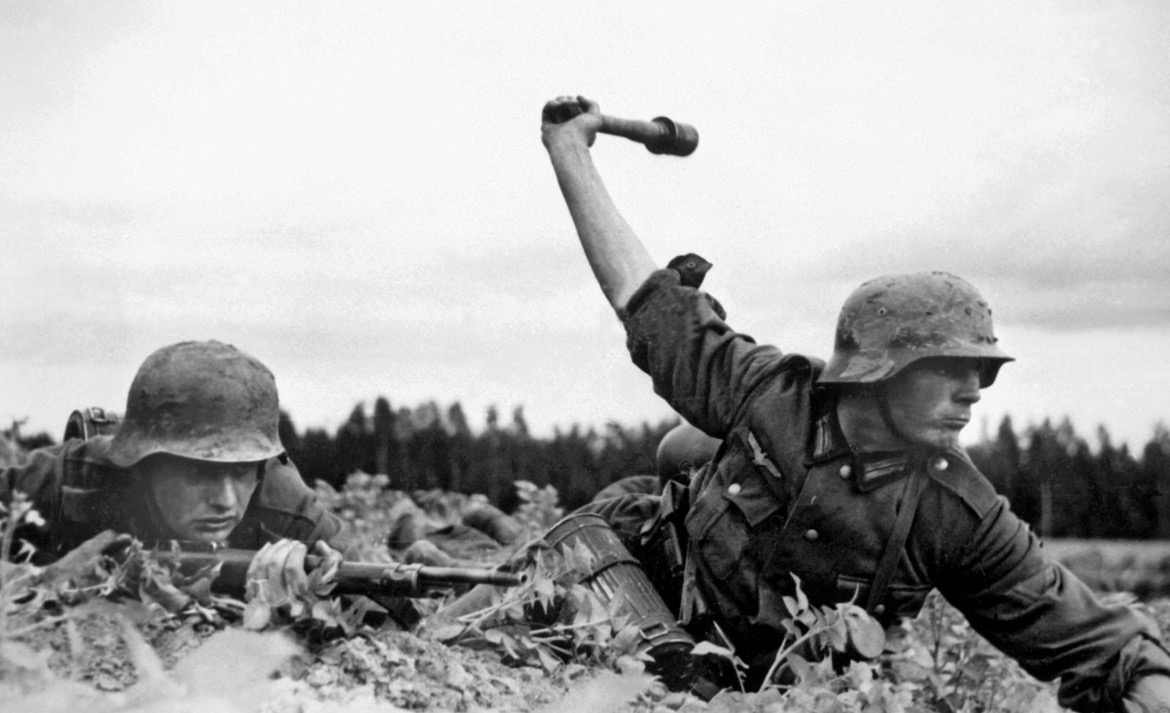
On this day in WW2, 22 June 1941, Nazi Germany launched Operation Barbarossa — the largest military invasion in history. Over three million Axis troops crossed into Soviet territory along a front stretching nearly 1,800 miles.
It marked a dramatic escalation of the war and opened what would become the most brutal front of the entire conflict.
The Scale of the Invasion
Operation Barbarossa involved:
- Over 3 million German soldiers
- Hundreds of thousands of vehicles
- Around 3,500 tanks
- Nearly 3,000 aircraft
The invasion force was divided into three Army Groups:
- Army Group North (towards Leningrad)
- Army Group Centre (towards Moscow)
- Army Group South (towards Ukraine)
The speed and scale of the assault stunned Soviet forces.
Why It Changed the War
Before this moment in WW2, Germany had already conquered much of Western Europe. However, invading the Soviet Union opened a two-front war — something German military planners had long feared.
Initially, German forces advanced rapidly, capturing vast territories and hundreds of thousands of Soviet prisoners. But the Soviet Union’s immense size, industrial capacity, and harsh winters would eventually turn the tide.
The Eastern Front would become the deadliest theatre of WW2, with millions of military and civilian casualties.
The Human Cost
Operation Barbarossa was not only a military campaign — it was also ideological and devastating for civilians. Entire communities were destroyed as fighting swept across Eastern Europe.
By the end of the war, the Eastern Front accounted for the majority of total WW2 casualties.
Remembering on this day in WW2 reminds us how quickly conflict can escalate beyond expectation.
Equipment and Artefacts from the Eastern Front
Collectors today often encounter artefacts connected to Operation Barbarossa and the wider Eastern Front, including:
- German M35 and M40 steel helmets
- Soviet SSh-40 helmets
- Medals such as the Eastern Front Medal (Ostmedaille)
- Field equipment and personal effects
These items represent one of the most significant turning points in the Second World War.
If you’re interested in equipment from this period, see our guide to WW2 helmets and their historical value.
If you’ve uncovered items from the Eastern Front in storage, read our article on selling WW2 memorabilia found in storage.
Why This Day in WW2 Still Matters
Historians widely regard Operation Barbarossa as one of the greatest strategic miscalculations of the war. The failure to quickly defeat the Soviet Union ultimately stretched German forces beyond sustainability.
The invasion directly led to:
- The Battle of Moscow
- The Siege of Leningrad
- The Battle of Stalingrad
Each would shape the outcome of WW2 in Europe.
Frequently Asked Questions
What happened on this day in WW2 in 1941?
On 22 June 1941, Germany launched Operation Barbarossa, invading the Soviet Union and opening the Eastern Front.
Why was Operation Barbarossa important?
It created a massive two-front war for Germany and led to the largest and deadliest theatre of WW2.
How many troops were involved in Operation Barbarossa?
Over three million Axis troops participated in the initial invasion.