On This Day in WW2: The Yalta Conference Shapes the Post-War World
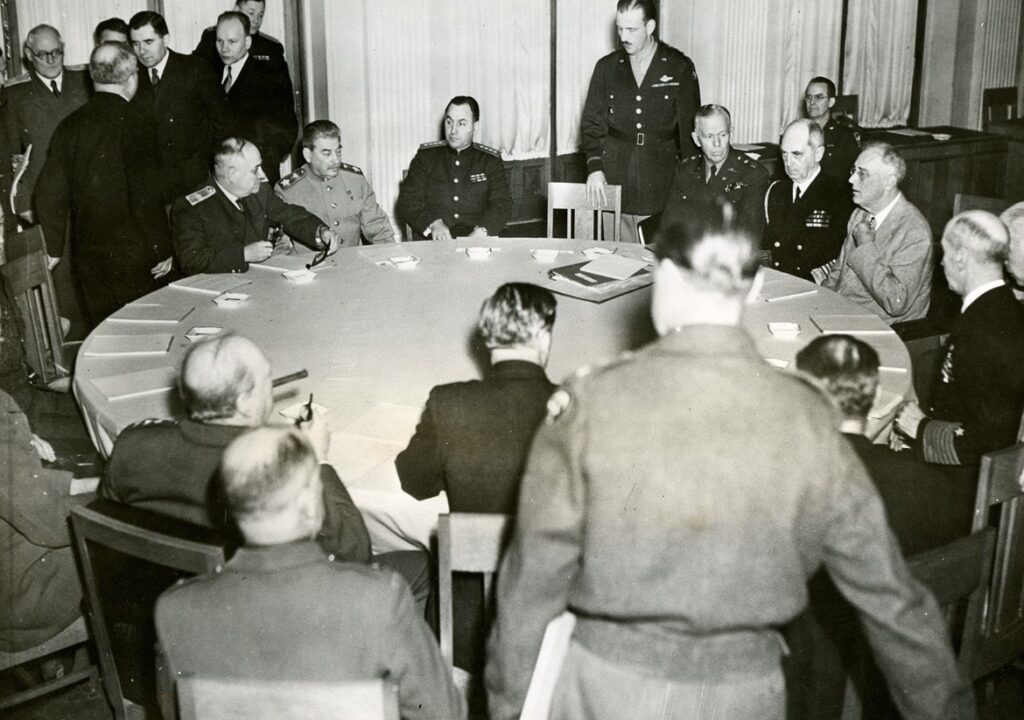
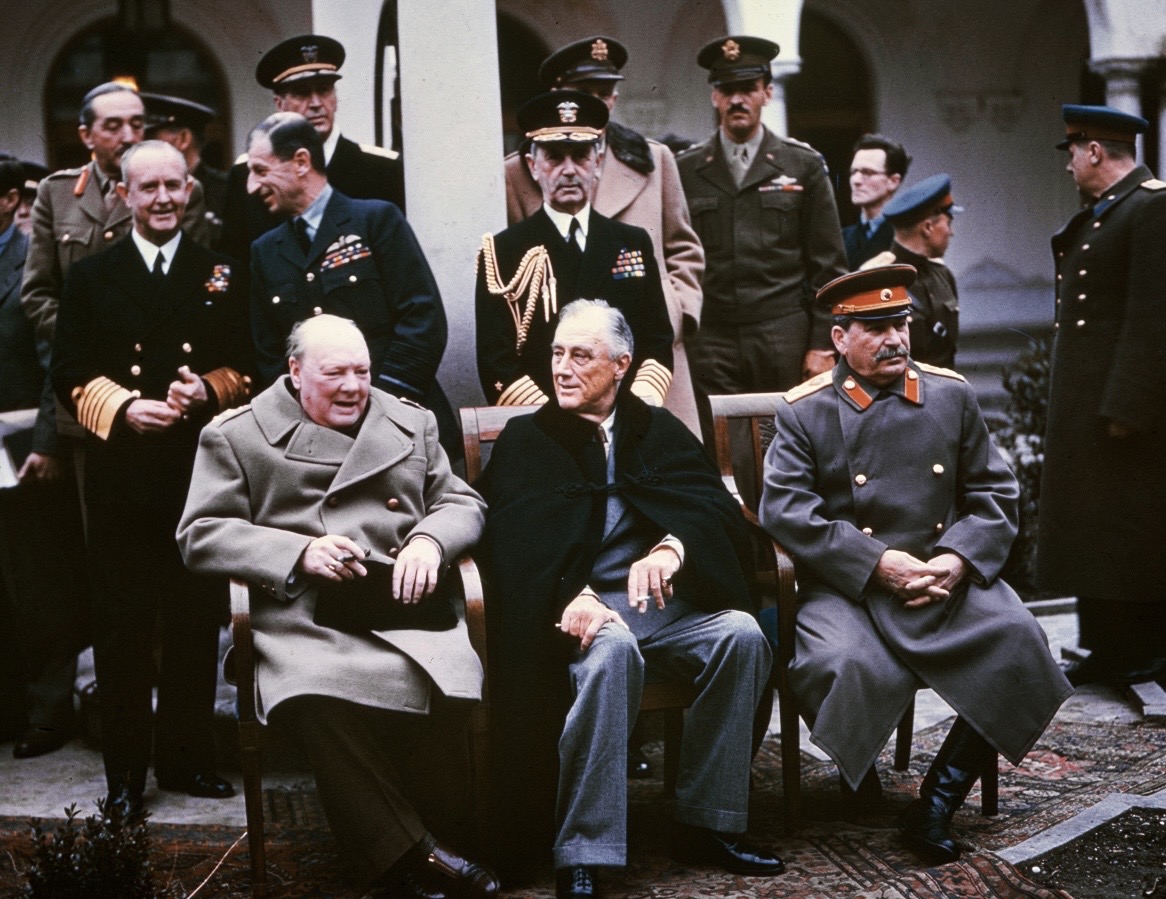
On this day in WW2, 4 February 1945, three of the most powerful leaders of the Allied nations gathered in Crimea for what would become one of the most significant meetings of the war — the Yalta Conference.
With Nazi Germany nearing defeat, the future of Europe hung in the balance.
The “Big Three” Meet
The conference brought together:
- British Prime Minister Winston Churchill
- U.S. President Franklin D. Roosevelt
- Soviet Premier Joseph Stalin
Their goal was clear: determine how Europe would be reorganised after Germany’s surrender.
At this stage of WW2, Allied forces were advancing from both east and west. The collapse of the Third Reich was inevitable — but peace required planning.
What Was Decided at Yalta?
During the conference, several key decisions were made:
- Germany would be divided into occupation zones
- Berlin would also be divided among Allied powers
- Free elections were promised in liberated European nations
- The Soviet Union agreed to join the war against Japan
- Plans for the United Nations were finalised
While agreements were reached, tensions between the Western Allies and the Soviet Union were already emerging — laying foundations for the Cold War.
Why This Day in WW2 Still Matters
Remembering on this day in WW2 highlights that war is not only fought on battlefields. Diplomatic decisions can shape decades of global politics.
The Yalta Conference directly influenced:
- The division of Germany
- The future of Eastern Europe
- The beginning of East-West tensions
Its legacy would define global relations for nearly half a century.
Artefacts and Historical Legacy
Documents, photographs and signed papers from the Yalta Conference are now preserved in archives and museums worldwide. These items represent pivotal diplomatic moments rather than battlefield combat, reminding us that WW2 history extends beyond the front lines.
Collectors today often seek wartime documents and signed materials connected to major political events of the Second World War.